Yona Zeldis McDonough
Daphne Kalotay talks to Lilith about “The Archivists,” loss, and what lies beneath the surface.

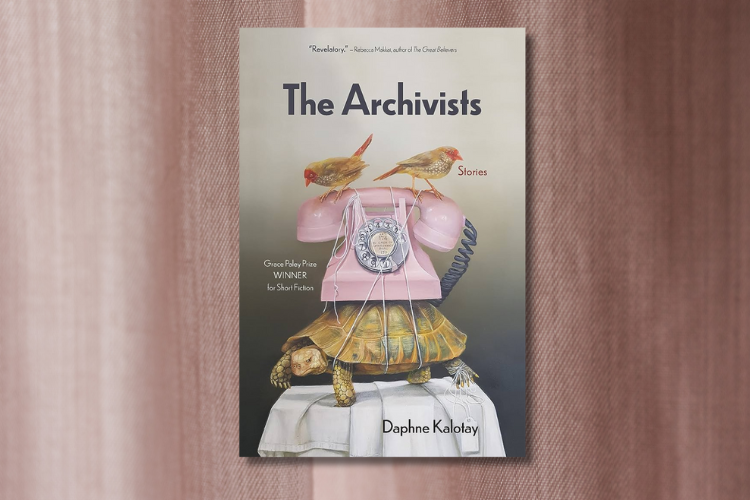
Daphne Kalotay talks to Lilith about “The Archivists,” loss, and what lies beneath the surface.

Shirley Russak Wachtel talks to Lilith about how grief and betrayal threaten to destroy what were once unbreakable bonds in her novel A Castle in Brooklyn.

Greta Gerwig’s Barbie takes us to the bright pink Garden of Eden to teach us a meaningful lesson.
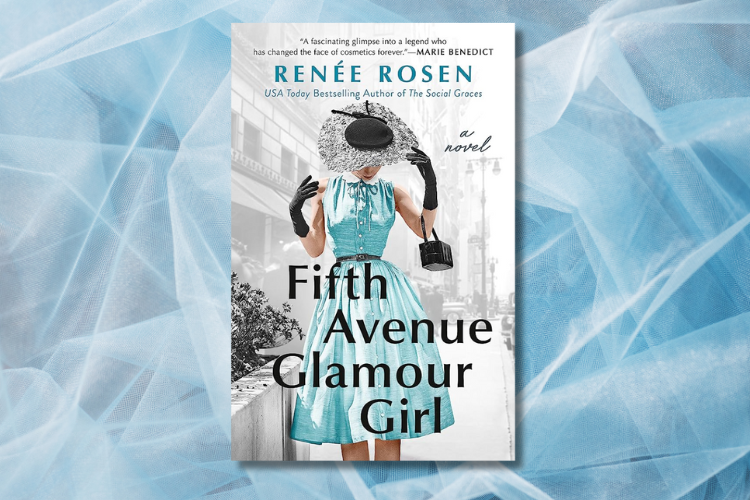
Renée Rosen talks to Lilith about the ways in which she adhered to the facts—and the important reasons why she didn’t in her novel about the life of Estée Lauder.
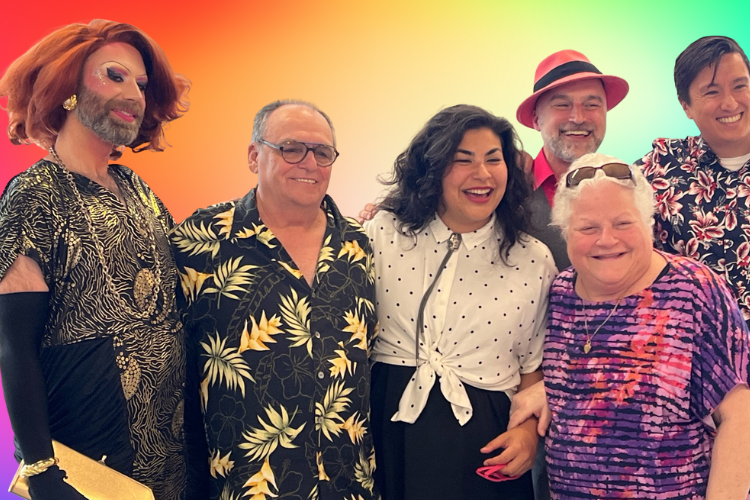
How can we better care for our queer and trans elders as they age?
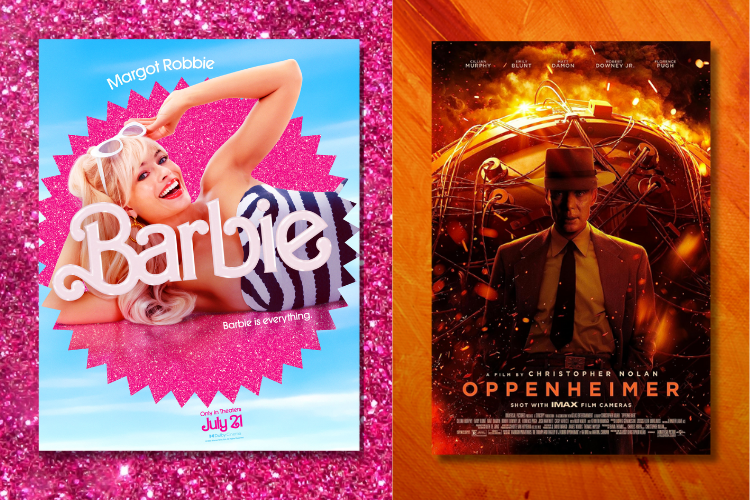
The Barbenheimer phenomenon reminds us that we all contain multitudes, even contradictory multitudes.

A new mother dives headlong into a parallel world to find her missing son in Yael Goldstein Love’s new novel, “The Possibilities.”
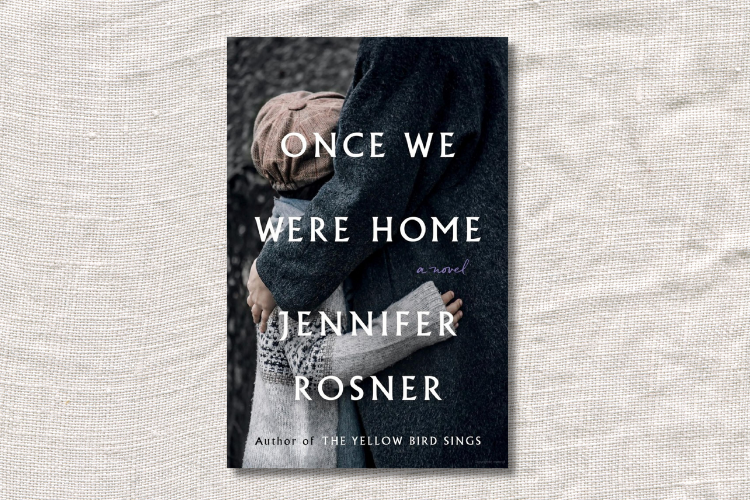
Sometimes the price of being saved is much higher than we could ever expect or know—and Jewish children hidden during the Holocaust found that out the hard way.

Chloe Sherman talks to Lilith about her debut monograph and the intersections of being Jewish, queer, and an artist.
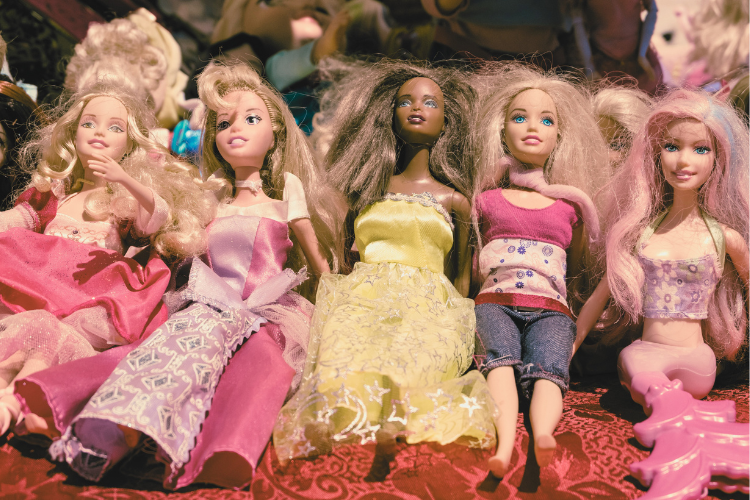
Join Lilith on July 25 for a virtual and in person intimate salon all about dolls.

wishing you a chag sameach + an orange on your Seder plate 🍊
"I continued to dread Passover for many years because it rekindled not only painful childhood memories but also my shame over how Jewish I wasn’t."
In a classic Lilith Passover story, Andrea Kott looks back on her childhood seders in the beauty parlor owned by her Hungarian great aunt and uncle.
Read it at Lilith.org.
Art by @holliechastain featured in Lilith`s Fall 2017 issue
"I continued to dread Passover for many years because it rekindled not only painful childhood memories but also my shame over how Jewish I wasn’t."
In a classic Lilith Passover story, Andrea Kott looks back on her childhood seders in the beauty parlor owned by her Hungarian great aunt and uncle.
Read it at Lilith.org.
Art by @holliechastain featured in Lilith`s Fall 2017 issue
"Deftly she scraped the silver scales and forced
one fish into the other; the soft feet
of the calf she boiled into jelly; she stuffed rice
into the plump hen and bound
its wings and legs; she poured hot fat
over the leg of the lamb. Spices
sizzled and baked as she stirred
the bones bubbling in the pot.
They sat round the silver, the red wine glasses,
and read the story of their deliverance."
"Passover" by Thilde Fox ❤️
"Deftly she scraped the silver scales and forced
one fish into the other; the soft feet
of the calf she boiled into jelly; she stuffed rice
into the plump hen and bound
its wings and legs; she poured hot fat
over the leg of the lamb. Spices
sizzled and baked as she stirred
the bones bubbling in the pot.
They sat round the silver, the red wine glasses,
and read the story of their deliverance."
"Passover" by Thilde Fox ❤️
"The next Passover, a former student of my mother’s—Mom had gone on to teach high school Spanish—now a reporter for the local newspaper, contacted her about a story she was writing on Passover cuisine. She remembered my mother as vaguely exotic—a Cuban Jew with roots in Turkey and Greece. Along with drilling her students in stem changing verbs, my mother also unfurled her personal history in the classroom. Here was a chance for my mother to expand her audience beyond the teenagers she taught."
Read "The Empty Seder Table" by Judy Bolton-Fasman from our spring 2016 issue. Linked in our bio 💥
"The next Passover, a former student of my mother’s—Mom had gone on to teach high school Spanish—now a reporter for the local newspaper, contacted her about a story she was writing on Passover cuisine. She remembered my mother as vaguely exotic—a Cuban Jew with roots in Turkey and Greece. Along with drilling her students in stem changing verbs, my mother also unfurled her personal history in the classroom. Here was a chance for my mother to expand her audience beyond the teenagers she taught."
Read "The Empty Seder Table" by Judy Bolton-Fasman from our spring 2016 issue. Linked in our bio 💥