
Nina Lichtenstein
In the end, the yearning for home, or perhaps more specifically to belong, is a shared human condition.

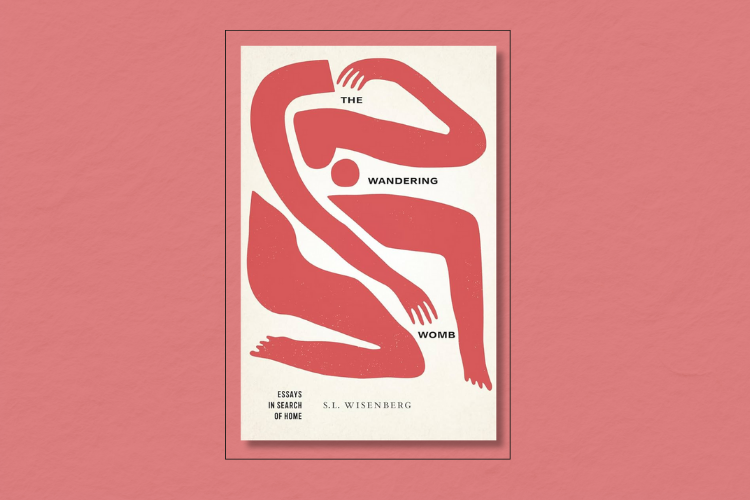
In the end, the yearning for home, or perhaps more specifically to belong, is a shared human condition.

If rituals give us context to mark transitions and liturgy gives us the language to describe them, there is a whole set of transitions and experiences historically ignored within Jewish tradition.
For me, the step after believing survivors is supporting survivors.
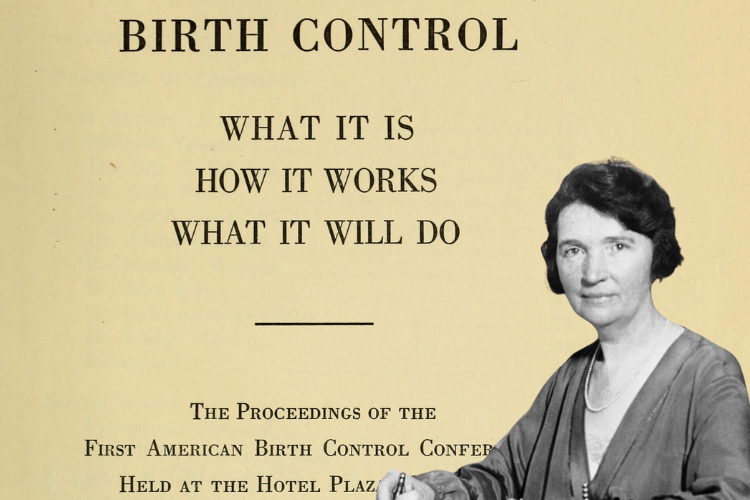
My family’s underground birth control history has too much resonance today.

Even after more documentation has emerged, UN Women, has still refused to condemn Hamas’ horrific sexual crimes or recognize that they even happened.
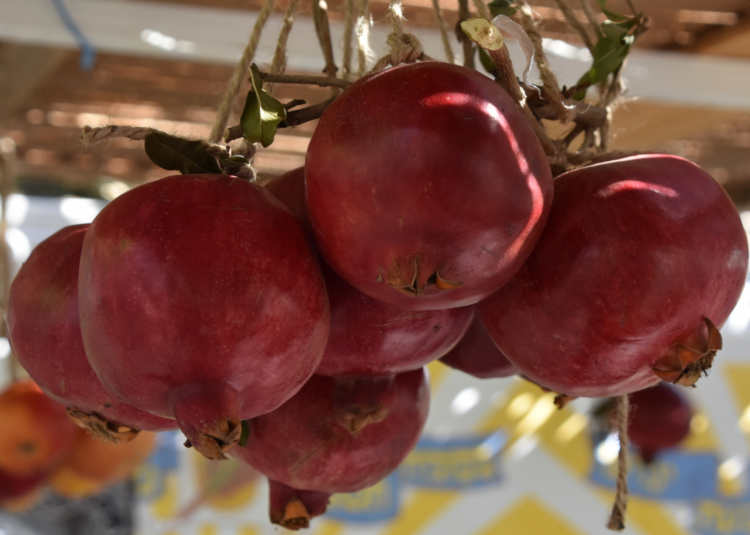
Following services, join Lilith and Sutton Place Synagogue for a lively conversation about belonging in SPS’s beautiful rooftop sukkah.
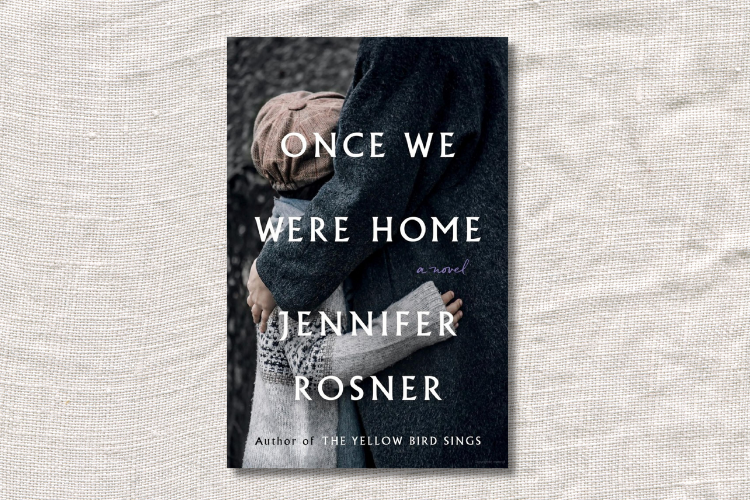
Sometimes the price of being saved is much higher than we could ever expect or know—and Jewish children hidden during the Holocaust found that out the hard way.

If we support a women’s right to choose, her right to bodily autonomy, then this clearly includes her right to choose to change her body as she pleases.

Your mother has birthed a dozen offspring,
Yet you alone are born as
Nothing Special.

I am forever pushing back against the idea that we all should have to just accept traveling to New York for an abortion. We deserve care where we live.