Chanel Dubofsky
September 28th activists are bringing attention to the need for wide access to self-managed abortion (also known as medical abortion, or abortion pills).

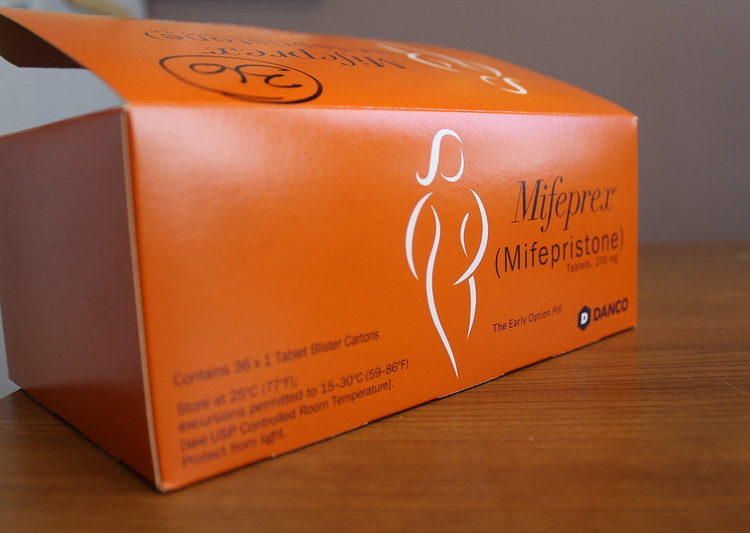
September 28th activists are bringing attention to the need for wide access to self-managed abortion (also known as medical abortion, or abortion pills).

Author Linda Kass talks to fiction editor Yona Zeldis McDonough about why Myerson is a truly heroine for our times.

Capturing feminist celebrations on film.

Song has a way of breaking down our interior barriers to reach the parts of ourselves we’ve cloaked in fear and cynicism.
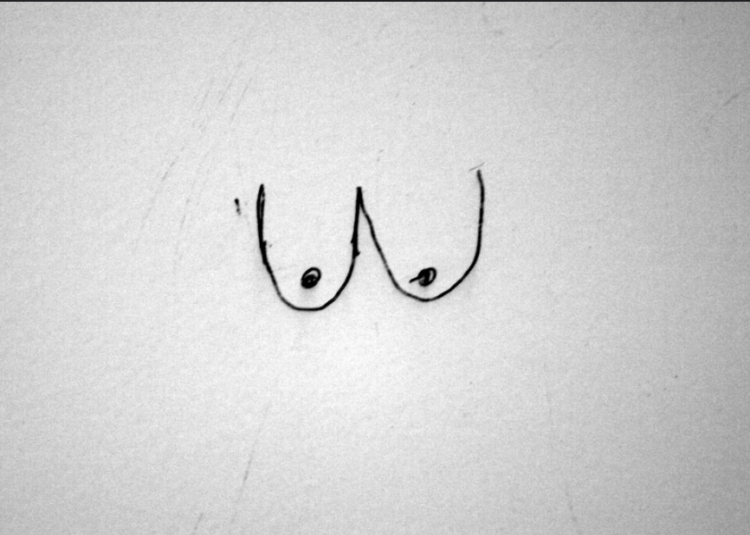
“This won’t affect your ability to get pregnant or care for another child. Formula’s just fine. Your kids need you around, healthy. It’s time.”

I developed crushes on men who seemed “exotic,” the irony being that those characters were played by Jews.

Far from an attempt to assimilate into America by mailing our version of Christmas cards, the tradition of sending out greetings at the start of the Jewish month of Elul has very Jewish roots.
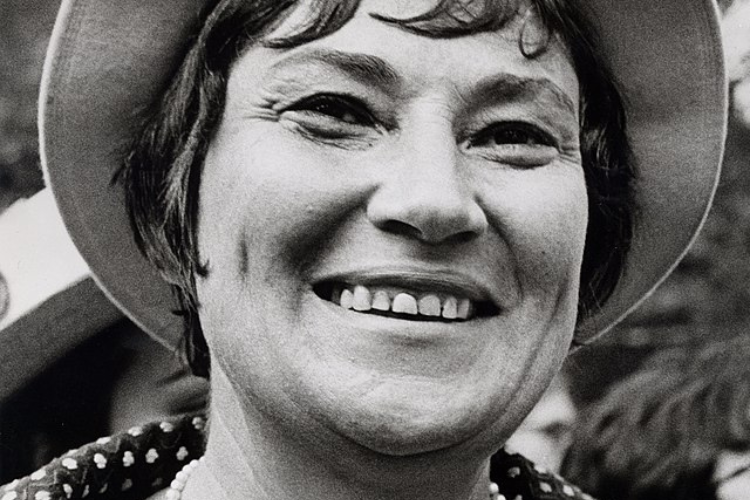
A new film offers perspective on the feminist icon— but has been denounced by her daughters.
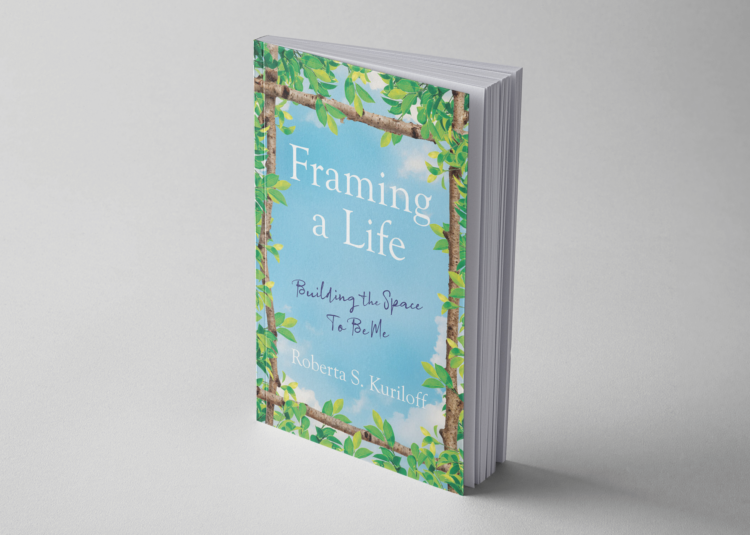
“The building of the house became a metaphor for my journey and search for wholeness. It was the physical manifestation of finding soul, my essence, and being able to share with others.”


wishing you a chag sameach + an orange on your Seder plate 🍊
"I continued to dread Passover for many years because it rekindled not only painful childhood memories but also my shame over how Jewish I wasn’t."
In a classic Lilith Passover story, Andrea Kott looks back on her childhood seders in the beauty parlor owned by her Hungarian great aunt and uncle.
Read it at Lilith.org.
Art by @holliechastain featured in Lilith`s Fall 2017 issue
"I continued to dread Passover for many years because it rekindled not only painful childhood memories but also my shame over how Jewish I wasn’t."
In a classic Lilith Passover story, Andrea Kott looks back on her childhood seders in the beauty parlor owned by her Hungarian great aunt and uncle.
Read it at Lilith.org.
Art by @holliechastain featured in Lilith`s Fall 2017 issue
"Deftly she scraped the silver scales and forced
one fish into the other; the soft feet
of the calf she boiled into jelly; she stuffed rice
into the plump hen and bound
its wings and legs; she poured hot fat
over the leg of the lamb. Spices
sizzled and baked as she stirred
the bones bubbling in the pot.
They sat round the silver, the red wine glasses,
and read the story of their deliverance."
"Passover" by Thilde Fox ❤️
"Deftly she scraped the silver scales and forced
one fish into the other; the soft feet
of the calf she boiled into jelly; she stuffed rice
into the plump hen and bound
its wings and legs; she poured hot fat
over the leg of the lamb. Spices
sizzled and baked as she stirred
the bones bubbling in the pot.
They sat round the silver, the red wine glasses,
and read the story of their deliverance."
"Passover" by Thilde Fox ❤️
"The next Passover, a former student of my mother’s—Mom had gone on to teach high school Spanish—now a reporter for the local newspaper, contacted her about a story she was writing on Passover cuisine. She remembered my mother as vaguely exotic—a Cuban Jew with roots in Turkey and Greece. Along with drilling her students in stem changing verbs, my mother also unfurled her personal history in the classroom. Here was a chance for my mother to expand her audience beyond the teenagers she taught."
Read "The Empty Seder Table" by Judy Bolton-Fasman from our spring 2016 issue. Linked in our bio 💥
"The next Passover, a former student of my mother’s—Mom had gone on to teach high school Spanish—now a reporter for the local newspaper, contacted her about a story she was writing on Passover cuisine. She remembered my mother as vaguely exotic—a Cuban Jew with roots in Turkey and Greece. Along with drilling her students in stem changing verbs, my mother also unfurled her personal history in the classroom. Here was a chance for my mother to expand her audience beyond the teenagers she taught."
Read "The Empty Seder Table" by Judy Bolton-Fasman from our spring 2016 issue. Linked in our bio 💥