Helen Chervitz
It was challenging to adjust to my second-time-around life in the Ukrainian capital. But eventually, the city has grown, or regrown, on me. And now I’m staying put.

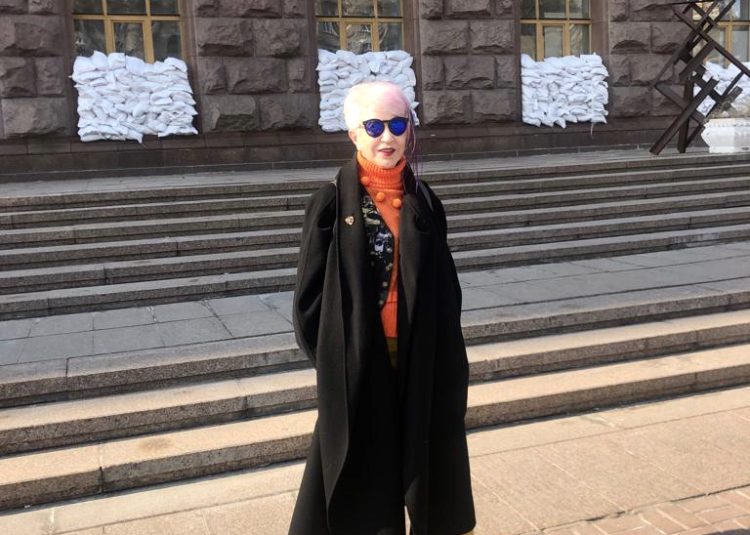
It was challenging to adjust to my second-time-around life in the Ukrainian capital. But eventually, the city has grown, or regrown, on me. And now I’m staying put.
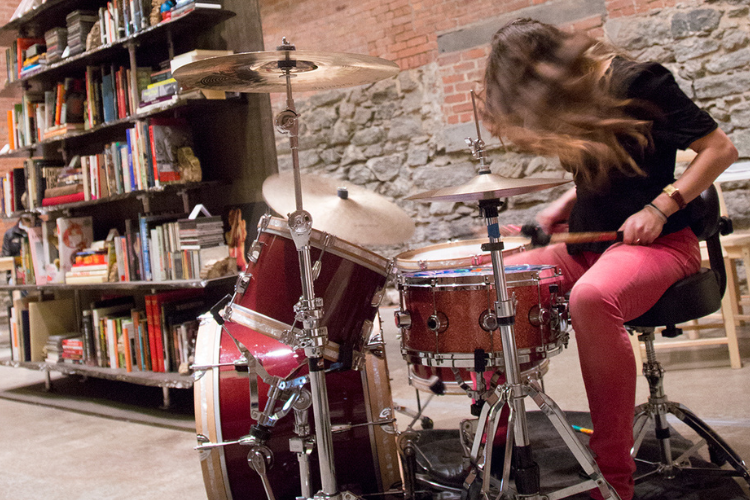
“The drum industry has notoriously been a self-proclaimed boys club,” says Jewish Riotgrrrl Mindy Abovitz Monk — this is exactly why she decided to create Tom Tom. Lilith talked to her about the magazine’s genesis, fighting for the male dollar, and dressing up as an alien for her Bat Mitzvah.

Author Maggie Anton—who wrote the acclaimed trilogy Rashi’s Daughters—talks about how her new novel, “The Choice,” both exposes and dismantles gender inequities.

We knew this moment would come. But it still hurts.
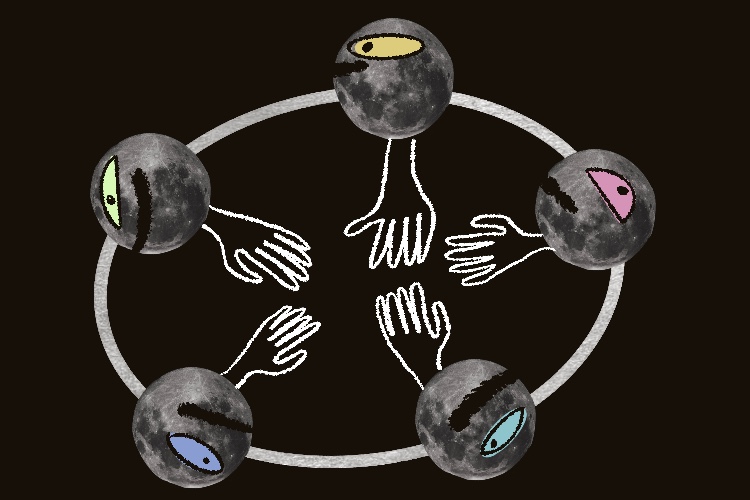
Keep your eyes open this Iyar… the thing you’ve been waiting for might actually be right in front of you.
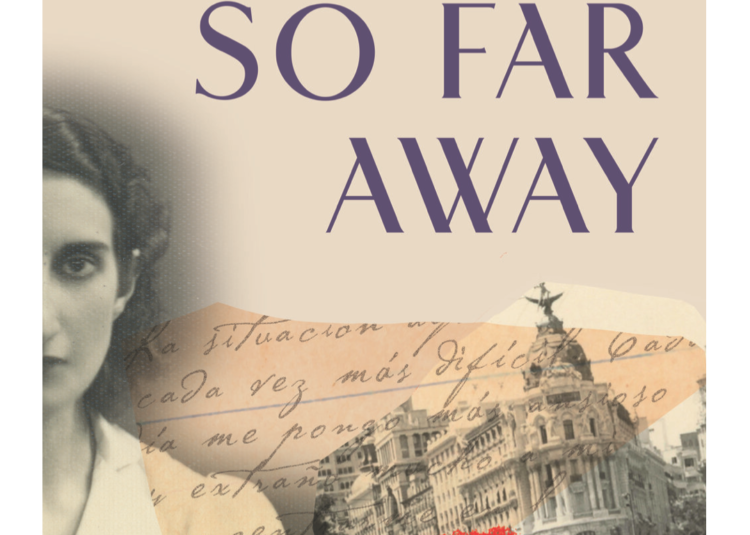
An 82 year-old writer takes up historical fiction, penning a novel about the Spanish Civil War.

This book is as much ethnographic study as it is an affirmative and therapeutic examination of identity, and what it means to pass that identity forward.

Creating a Jewish arts space in Brooklyn.
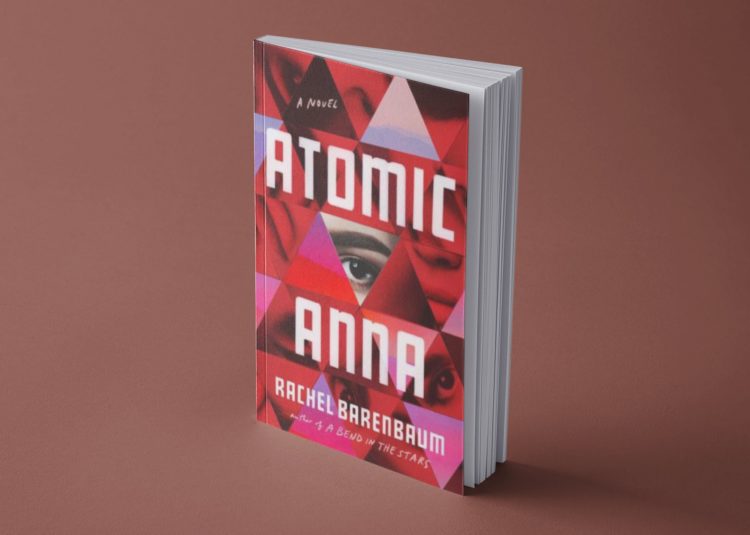
I am as fascinated as I am terrified of the dream of time travel because while it is romantic in some ways, it is also a deadly weapon.
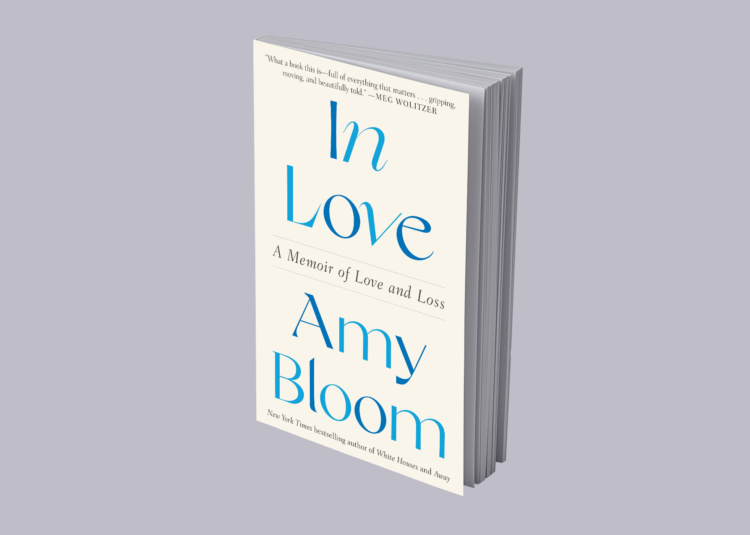
I was hesitant to pick up In Love as a newlywed. I am superstitious enough to worry about inviting misfortune by way of acknowledging it. But when I stood under the chuppah last November and married my husband, I remember thinking about death.


wishing you a chag sameach + an orange on your Seder plate 🍊
"I continued to dread Passover for many years because it rekindled not only painful childhood memories but also my shame over how Jewish I wasn’t."
In a classic Lilith Passover story, Andrea Kott looks back on her childhood seders in the beauty parlor owned by her Hungarian great aunt and uncle.
Read it at Lilith.org.
Art by @holliechastain featured in Lilith`s Fall 2017 issue
"I continued to dread Passover for many years because it rekindled not only painful childhood memories but also my shame over how Jewish I wasn’t."
In a classic Lilith Passover story, Andrea Kott looks back on her childhood seders in the beauty parlor owned by her Hungarian great aunt and uncle.
Read it at Lilith.org.
Art by @holliechastain featured in Lilith`s Fall 2017 issue
"Deftly she scraped the silver scales and forced
one fish into the other; the soft feet
of the calf she boiled into jelly; she stuffed rice
into the plump hen and bound
its wings and legs; she poured hot fat
over the leg of the lamb. Spices
sizzled and baked as she stirred
the bones bubbling in the pot.
They sat round the silver, the red wine glasses,
and read the story of their deliverance."
"Passover" by Thilde Fox ❤️
"Deftly she scraped the silver scales and forced
one fish into the other; the soft feet
of the calf she boiled into jelly; she stuffed rice
into the plump hen and bound
its wings and legs; she poured hot fat
over the leg of the lamb. Spices
sizzled and baked as she stirred
the bones bubbling in the pot.
They sat round the silver, the red wine glasses,
and read the story of their deliverance."
"Passover" by Thilde Fox ❤️
"The next Passover, a former student of my mother’s—Mom had gone on to teach high school Spanish—now a reporter for the local newspaper, contacted her about a story she was writing on Passover cuisine. She remembered my mother as vaguely exotic—a Cuban Jew with roots in Turkey and Greece. Along with drilling her students in stem changing verbs, my mother also unfurled her personal history in the classroom. Here was a chance for my mother to expand her audience beyond the teenagers she taught."
Read "The Empty Seder Table" by Judy Bolton-Fasman from our spring 2016 issue. Linked in our bio 💥
"The next Passover, a former student of my mother’s—Mom had gone on to teach high school Spanish—now a reporter for the local newspaper, contacted her about a story she was writing on Passover cuisine. She remembered my mother as vaguely exotic—a Cuban Jew with roots in Turkey and Greece. Along with drilling her students in stem changing verbs, my mother also unfurled her personal history in the classroom. Here was a chance for my mother to expand her audience beyond the teenagers she taught."
Read "The Empty Seder Table" by Judy Bolton-Fasman from our spring 2016 issue. Linked in our bio 💥