

Protecting Anne Frank
 I’ve never been able to keep a diary. When I was young, I often tried over and over again; I made New Year’s resolutions to write every day, bought beautifully decorated journals, kept pens on my bedside table in the hope that they would remind me to jot down my thoughts just before sleep. I always had a penchant for writing, but there was something about the commitment to a notebook, something about being accountable to an object that always kept me from harnessing a routine.
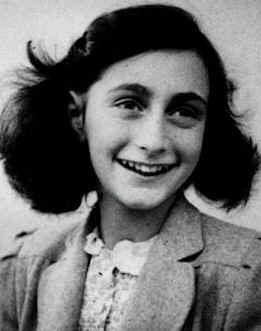
In eighth grade, we were assigned to read The Diary of Anne Frank, a ritual for most (if not all) American children. I was eager to delve into the mind of the girl who, for me, had become the face of the Shoah, that famous photo – eyes looking upward, thick hair perfectly pinned, a hopeful smile spread across her face – forever imprinted in my memory. I read hungrily, turning each page with an expectation to find something extraordinary, something that I was not expecting.
While undeniably astute for her age, I recall my disappointment and discomfort in the realization that this girl was just like me. She had a crush, she had fears, she had questions about growing up, she had problems with her mother. When we discussed the book in class, I felt panicked; as the only Jew in my class, it suddenly felt as if my classmates were reading my diary, were reading my personal thoughts and fears and talking about what themes they found in my writing, what interesting tidbits stood out. But it isn’t meant to be read like this, I thought. This is her diary. I felt invasive, sad, and protective of this girl who had lived in a different place and a different time. This girl whose thoughts had become America’s gateway into Holocaust education.
One comment on “Protecting Anne Frank”
Comments are closed.


Beautifully said, Maya!